Can Gingivitis Be Reversed Without Surgery?
Gingivitis is one of the earliest stages of gum disease and can cause symptoms such as red, swollen, tender, or bleeding gums. The good news is that gingivitis can often be reversed with proper oral hygiene and professional dental care before it progresses to more advanced periodontal disease. Because early treatment can help prevent lasting damage to the gums and supporting structures around the teeth, recognizing the signs of gingivitis and taking action promptly is important for maintaining a healthy smile.
What Causes Gingivitis?
Gingivitis most commonly develops when plaque accumulates along the gumline. Plaque is a sticky film containing bacteria that naturally forms on teeth. When it is not adequately removed through regular brushing and flossing, the bacteria can irritate the surrounding gum tissue.
Over time, plaque can harden into tartar, which cannot be removed effectively with a regular toothbrush. Tartar buildup can contribute to continued gum irritation and make professional dental cleanings an important part of preventing and treating gum disease.
Can Gingivitis Really Be Reversed?
In many cases, yes. Unlike more advanced periodontal disease, gingivitis generally does not involve permanent destruction of the bone and supporting tissues around the teeth. Improving oral hygiene and receiving appropriate professional care can often reduce inflammation and help the gums return to a healthier condition.
The amount of time needed for improvement varies from person to person. Consistent daily care and professional dental cleanings can help control the plaque and bacteria responsible for gum inflammation.
Improve Your Daily Oral Hygiene
One of the most important steps in reversing gingivitis is maintaining a consistent oral hygiene routine. Brush your teeth twice a day using a soft-bristled toothbrush and fluoride toothpaste. Pay particular attention to the gumline, where plaque can accumulate.
Flossing or using another dentist-recommended method of cleaning between the teeth is also important. Brushing alone cannot effectively clean all of the areas between teeth, making daily interdental cleaning an important part of maintaining healthy gums.
Schedule Professional Dental Cleanings
Even with excellent brushing and flossing habits, plaque can sometimes remain in difficult-to-reach areas. Professional dental cleanings can remove plaque and tartar buildup that cannot be eliminated through routine brushing and flossing.
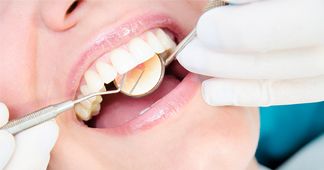
Your dental professional can also examine your gums for signs of inflammation and determine whether you have gingivitis or a more advanced form of gum disease. Regular dental visits provide an opportunity to identify problems early and develop an appropriate treatment plan.
Pay Attention to Signs of Gum Disease
Gingivitis does not always cause significant discomfort, so it can be easy to overlook. Common warning signs include:
- Red or swollen gums
- Gums that bleed when brushing or flossing
- Tender or sensitive gums
- Persistent bad breath
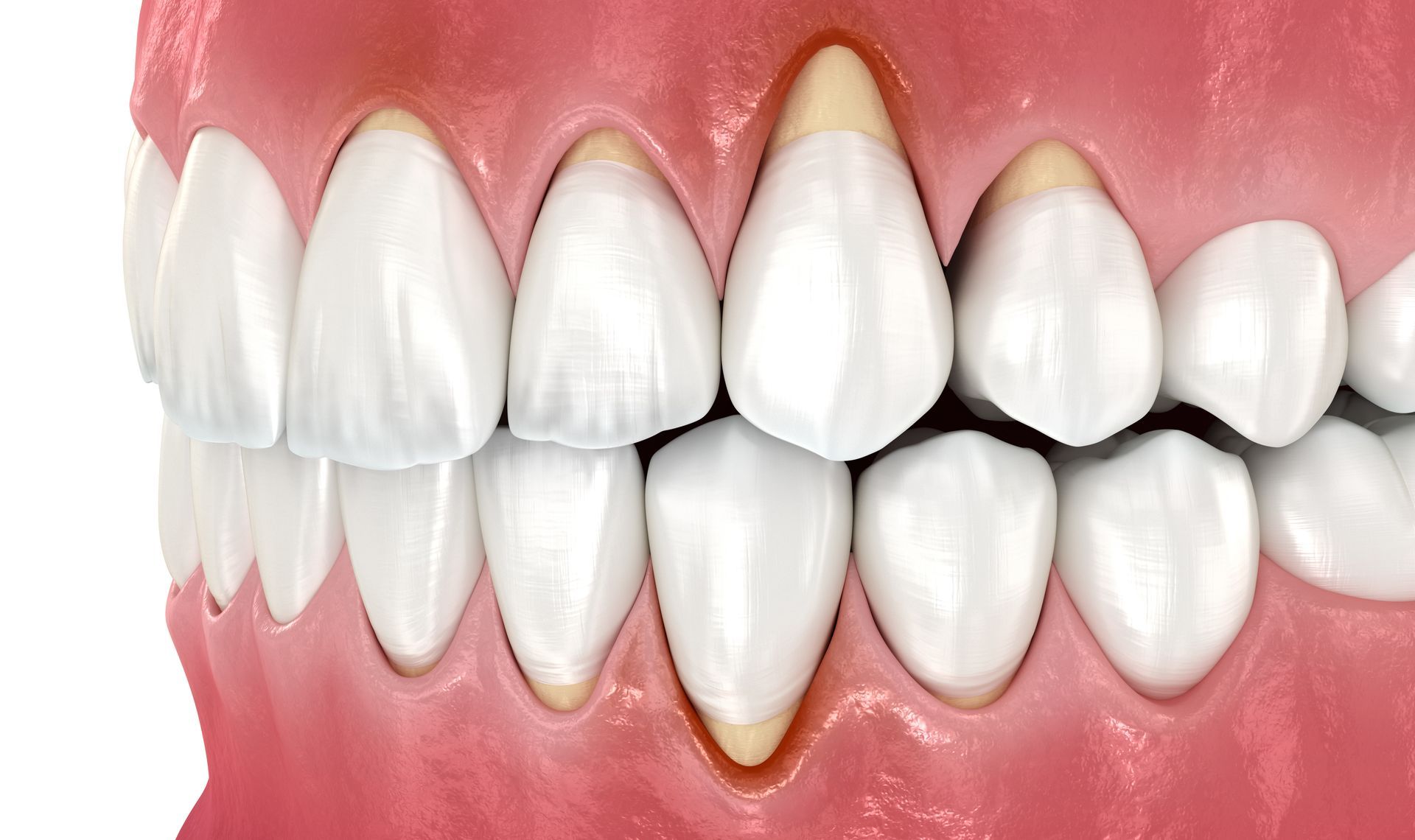
- Changes in the appearance of the gumline
- Increased plaque buildup around the gums
If you notice these symptoms, scheduling a dental evaluation can help determine the cause and appropriate next steps.
Can Gingivitis Progress to Periodontitis?
Without appropriate care, gingivitis can progress into periodontitis, a more advanced form of gum disease. Periodontitis can affect the tissues and bone supporting the teeth and may eventually contribute to tooth loss.
This is one reason early intervention is so important. Treating gingivitis before it progresses can help protect your gums and the structures that support your teeth.
When Is More Extensive Treatment Necessary?
Not every case of gum disease can be managed with routine oral hygiene and standard dental cleanings. If gum disease has progressed beyond gingivitis, additional periodontal treatment may be necessary. Your dentist or periodontist can evaluate the health of your gums and recommend treatment based on the severity of the condition.
Surgical treatment is not typically the first step for uncomplicated gingivitis. However, advanced periodontal disease may require more extensive treatment to control infection and protect the supporting structures around the teeth.
Protect Your Gums With Consistent Care
Gingivitis is often manageable when it is identified and treated early. Consistent brushing, daily cleaning between the teeth, professional dental cleanings, and regular examinations can all play important roles in maintaining healthy gums.
If you're interested in learning more about the latest gingivitis treatments, be sure to
reach out to Teri Brooks Lovelace DDS MS PA today. For years, our dental team has continued to provide innovative support to patients across Abilene, TX and all the surrounding areas. Simply schedule your preliminary consultation to get started!